 |
インフレ進行中
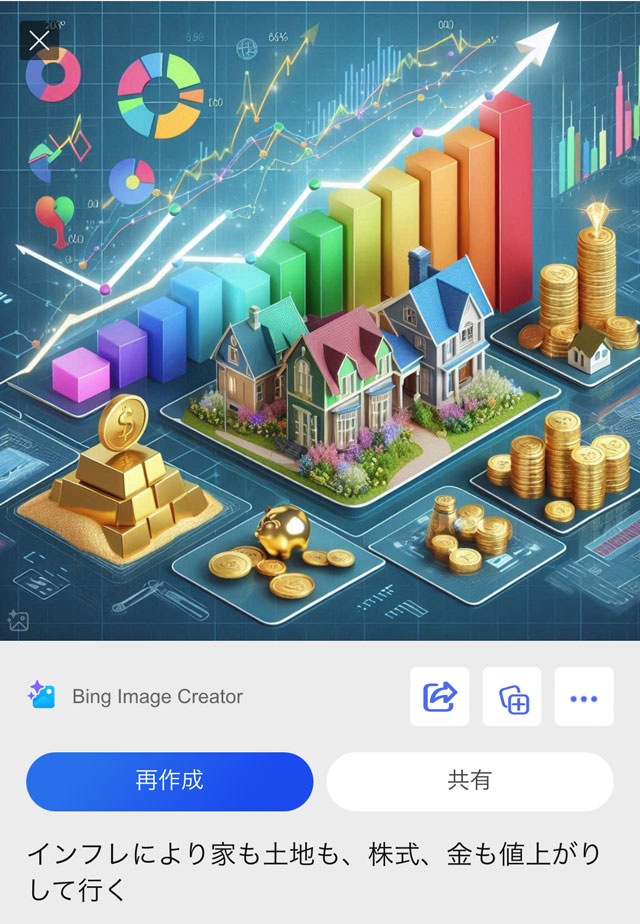
1.日々テレビ、新聞、インターネットなどで報道されているが、生活物資の上昇、住宅価格の上昇、株価の上昇、金価格の上昇などがあり、インフレが進んでいることを感じさせる。これに合わせて賃金の上昇が期待されているが、大手は別として中小・零細企業には難問になる。
1)最近の生活物資の値上がりは、はっきり確認出来ます。特に食品や飲料など、日常的に買うものほど影響が大きいです。2025年の消費者物価指数では、食品が前年より6.8%上昇しており、主要10分類の中でも突出した伸びです。2025年の日本の消費者物価指数(CPI)は前年より3.2%上昇しており、特に「生鮮食品を除く総合」でも3.1%上昇しており、広範囲で値上がりが
続いています。(copilot)
2)住宅価格指数
2025年の全国住宅価格指数は、2010年を100とした場合に。145.2454で約45%上昇。
2025年12月の日本の住宅価格指数(月次)は143.58。
2025年11月の国土交通省・住宅価格指数は147.32
(copilot)
3)株価の上昇
直近の日経平均株価は58,057.24円(2026.2.26)
1年前の安値30、792.74円(2025.4.7)
1年弱で約2倍近い水準まで上昇しており、非常に強い株価上昇を示しています。(copilot)
4)金価格の上昇
1オンス5,278.1ドル、(2026.3.1)
短期・中期の上昇率は6カ月で+53.31%、1年で+80.47%
、金価格の場合は円安と国際金価格の上昇が重なり、日本では特に強い値上がりとして実感されやすい状況。(copilot)
2.どうすれば良いのか
1)現金を出来る限り資産に変える:
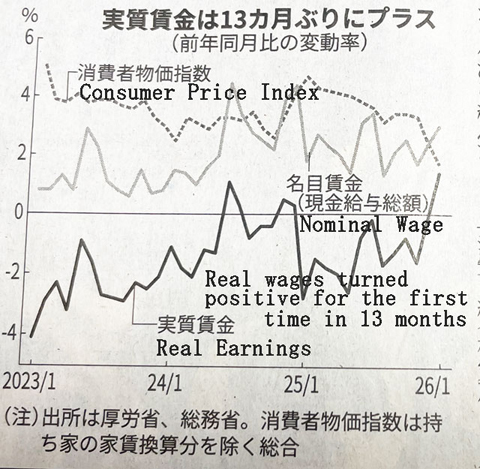
銀行に預けておくだけではインフレによる物価上昇に追いつけない。タンス預金で残すともっと損が大きくなる。老後の備えは、年金プラス2000万円と言われるが、インフレになると賃金上昇より、物価の上昇が大きくなり、実質的な賃金減少になり、年金額も実質的に低くなる。プラス2000万円と言われたものが、より多額のお金が必要になる。
2)長期固定債務を増やす:
住宅ローンは35年固定など出来るだけ長期固定金利のものにする。車などは現金があっても長期ローンで購入する。これで実質的負担は小さくなる。
3)日々の生活費を出来る限り減らす:
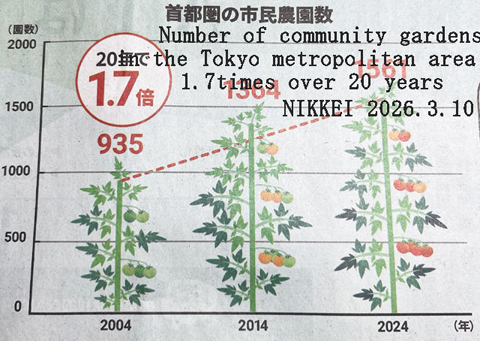
この為には郊外の家で小さくても庭に畑が作れるものとし、食料品は出来る限り自分で作る。スーパーなどには歩いて行ける家を選ぶ。集合住宅に住む場合は出来る限り上下左右ともに部屋があるもので暖冷房費を減らす。
4)長期の積み立ては解約する:
生命保険、積立貯金、少額でもサブスクリプション契約のものは解約して株、不動産などの購入にあてる。最近国債の金利が高くなるために(国債の値下がり)、個人で買うことを勧めている評論家がいるが、これには乗らないこと。企業でも金利が低い今のうちに資金を集めておこうと、少し高めの金利の社債を発行する会社があるが、社債も避けること。
インフレが激しくなるにつれて、現在多額の借金をしている人々や組織は実質的にその負担が軽減していくので、インフレは長期化する可能性がある。
Inflation is accelerating
1. Although it is reported daily on television, in newspapers, and on the
internet, the rise in daily necessities, housing prices, stock prices,
and gold prices clearly shows that inflation is advancing. Wage increases
are expected to accompany this trend, but while major corporations may
manage, it will be a serious challenge for small and medium sized enterprises.
1) Recent price increases in daily necessities are clearly visible.
The impact is especially large on everyday items such as food and beverages.
In the 2025, Consumer Price Index, food prices rose 6.8% from the previous
year, the highest among the ten major categories. Japan’s overall CPI for
2025 increased 3.2% year, and even the “core CPI excluding fresh food”
rose 3.1%, showing that price increases are spreading widely. (copilot)
2) Housing Price Index
The nationwide housing price index for 2025, with 2010 set at 100, reached
145.2454, an increase of about 45%. Japan’s monthly housing price index for December 2025 was 143.58.
The Ministry of Land, Infrastructure, Transport and Tourism’s housing price
index for November 2025 was 147.32. (copilot)
3) Stock Price Increases
The recent Nikkei 225 index stood at 58,057.24 yen (as of Feb. 2026). The
low one year earlier was 30,792.74 yen (Apr. 7, 2025).This means the index
has nearly doubled in less than a year, showing extremely strong stock
market growth. (copilot)
4) Gold Price Increases
Gold reached 5,278.1 USD per ounce (Mar. 1, 2026).
Short to mid term increases were +53.31% over six months and +80.47% over
one year. In Japan, the combination of yen depreciation and rising
international gold prices has made the increase feel particularly strong.
(copilot)
2. What should we do?
1) Convert cash into assets as much as possible:
Simply leaving money in a bank account cannot keep up with inflation. Keeping
cash at home results in even greater loss. It is said that retirement requires
pensions plus 20 million yen, but under inflation, prices rise faster than
wages, effectively reducing real income and lowering the real value of
pension benefits. The previously suggested “20 million yen” will no longer
be enough, and more funds will be required.
2) Increase long term fixed rate debt:
For housing loans, choose the longest fixed rate option possible, such
as a 35 year fixed mortgage. Even if you have cash, purchase cars with
long term loans. This reduces the real burden over time.
3) Reduce daily living expenses as much as possible:
Ideally, live in a suburban home where even a small garden allows you to
grow your own food. Choose a home within walking distance of supermarkets.
If living in an apartment, choose a unit surrounded by other units on all
sides to reduce heating and cooling costs.
4) Cancel long term savings plans:
Cancel life insurance savings plans, installment savings, and even small
subscription services, and redirect the funds toward purchasing stocks
or real estate. Some commentators recommend buying government bonds because
yields have risen (meaning bond prices have fallen), but this should be
avoided. Some companies issue corporate bonds with slightly higher interest
rates to raise funds while rates are still low, but corporate bonds should
also be avoided.
Inflation may become prolonged because, as inflation intensifies, individuals
and organizations with large existing debts effectively see their real
burden reduced.
。 |
