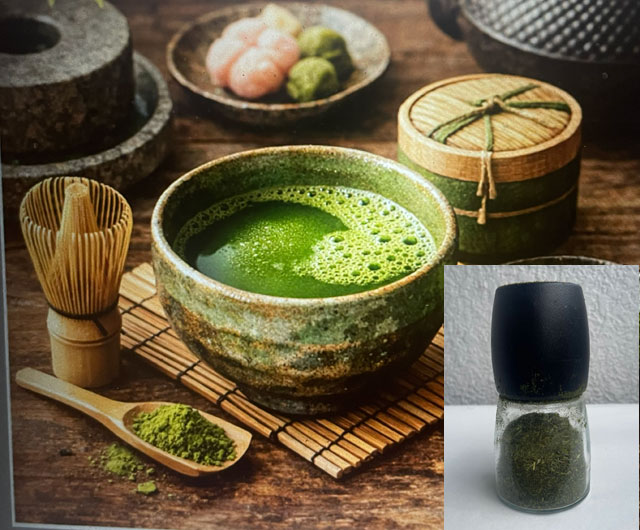
抹茶と煎茶
1. 抹茶の健康効果 (copilot)
1)抗酸化作用(EGCG=カテキン)
抹茶には、緑茶の中でも特にEGCG(エピガロカテキンガレード)が豊富に含まれています。抗酸化作用が強く、細胞の酸化ストレスを抑える働きがあるとされます。LDLコレステロールの酸化を抑える、脂質代謝に関わる酵素に影響し、脂肪吸収を抑える可能性がある。緑茶(抹茶を含む)は有害なコレステロールを減らし、善玉コレステロールの割合を高める効果があるとする臨床試験が20件以上報告されています。
動物研究では、抹茶がコレステロール値や中性脂肪を改善した例がある。
2)L-テアニンによるリラックスと集中の両立
抹茶にはコーヒーより少なめのカフェインが含まれていますが、
覚醒作用(カフェイン)、緊張緩和(L-テアニン)が同時に働くため、精神的なバランスを保ちながら集中力を高める効果が期待されています。
3)抗酸化作用による血管保護
血管の炎症や酸化ストレスを軽減し、動脈硬化のリスクを下げる方向に働く可能性がある。
2.抹茶と「粉にした煎茶」の違い (copilot)
抹茶(碾茶)は収穫前に日光を遮る「覆下栽培」で知られています。これによりテアニン(旨味成分)増加・カテキン(渋み)抑制が起こる
煎茶は日光を浴びて育つため、カテキンが多くテアニンは少なめになります。
茶葉を丸ごと摂取するメリットにより食物繊維、ビタミン類、ミネラル、ポリフェノールなどを余すことなく摂取出来る点が通常の抽出する緑茶との大きな違いです。
3.粉にした煎茶を飲む場合の注意点 (copilot)
茶葉を丸ごと摂るため、カフェイン量は通常の煎茶より多くなる。胃が弱い人は空腹時を避ける。1日の摂取量は2-3G程度が無理のない範囲。持病や薬を服用している場合は医療専門家に相談すること。
4.手軽に粉にした煎茶を飲む方法
何処にも売っている煎茶をゴマすり器で擦って、粉にしてお湯を茶葉ごと飲む方法により、コレステロールの低下、血管の炎症や酸化ストレスを軽減することが出来る。これを1カ月程度続けると血圧の低下が見られることがあるので、1日2-3gの茶葉を擦って飲んで試して見るのも良いと思われる。ゴマすり器は小さなものは力がいるので、IKEAのゴマすり器のような大きなものが使いやすい。
Matcha and Sencha
1. Health Benefits of Matcha
1)Antioxidant Effects (EGCG = Catechin)
Matcha contains particularly high levels of
EGCG (epigallocatechin gallate) compared with other green teas. EGCG has strong
antioxidant properties and is believed to help reduce oxidative stress on
cells. It may inhibit the oxidation of LDL cholesterol and influence enzymes
involved in lipid metabolism, potentially reducing fat absorption. More than 20
clinical trials have reported that green tea (including matcha) can reduce
harmful cholesterol and increase the proportion of beneficial cholesterol. Animal
studies have also shown that matcha can improve cholesterol and triglyceride
levels.
2)Relaxation and Focus from L-Theanine
Matcha contains less caffeine than coffee,
but because caffeine (alertness) and L-theanine (relaxation) act together, it
is expected to enhance concentration while maintaining mental balance.
3) Vascular Protection Through Antioxidant Action**
Matcha may help reduce inflammation and
oxidative stress in blood vessels, potentially lowering the risk of
arteriosclerosis.
2. Differences Between Matcha and Powdered Sencha
Matcha (tencha) is grown using a shading method before harvest, which increases
theanine (umami) and suppresses catechins (bitterness).
Sencha, grown in full sunlight, contains
more catechins and less theanine.
Since powdered sencha involves consuming the entire tea leaf, you can take
in dietary fiber, vitamins, minerals, polyphenols, and other nutrients
without loss. This is a major difference from regular brewed green tea.
3. Points to Note When Drinking Powdered Sencha
Because the whole leaf is consumed, the caffeine content becomes higher
than that of regular brewed sencha. People with sensitive stomachs should
avoid drinking it on an empty stomach. A daily intake of around 2–3 g is
considered reasonable. Those with chronic conditions or taking medication
should consult a healthcare professional.
4. An Easy Way to Drink Powdered Sencha
You can grind commonly available sencha using a sesame grinder and drink
it with hot water, consuming the tea leaves directly. This may help lower
cholesterol and reduce vascular inflammation and oxidative stress. Continuing
this for about a month may lead to a decrease in blood pressure, so trying
2–3 g of ground tea leaves per day could be beneficial. Small sesame grinders
require more effort, so larger ones—such as those sold by IKEA—are easier
to use.
|