シェルターを意識した街づくり
北朝鮮・中国のミサイルが極超高速・変則軌道型へと変化して抑撃困難となって来た為に、また、地政学的に日本列島、奄美諸島、沖縄、沖縄諸島、台湾、フィリピンの位置は中国の海洋進出に蓋をした形になっている為に、台湾海峡問題が現実になってくる確度が高いことから、敵基地攻撃論が出ているが、鎧兜なしで切りあいをするような議論で、真っ先に検討すべきは国民の生命を守る核シェルターを如何に早く造るかである。
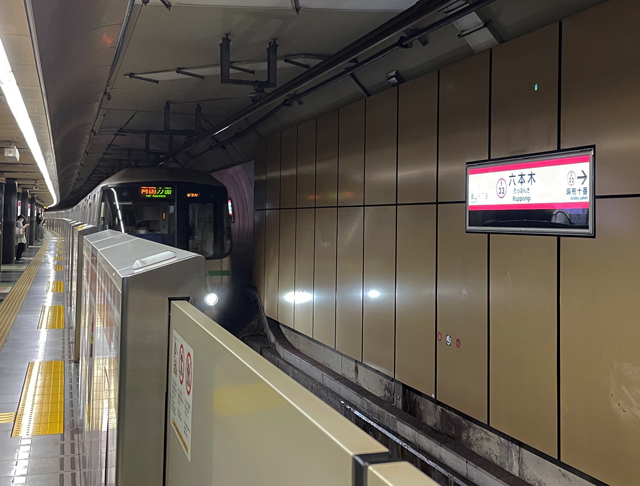
1.核シェルターに代わるものとして利用可能なものは身近に多数ある。地下鉄網、大型ビルの地下、地下放水路、リニア沿線の地下工事、下北沢を中心にした小田急の地下線路、東京・新宿・渋谷・池袋などの地下連絡通路を部分的に補強することで避難場所を造るなど、核対策としては本格的な核シェルターでなくとも代用出来るが、代用可能なことを意識していない為に必要な設備が欠けている。避難者の出入口をどうするか、衝撃波・熱線・放射能汚染物質をどう遮断するか、多数の避難者の食事・トイレ・睡眠対策をどこまで行うかなど。
2.日本では地震、火災、水害などに対する防災設備は比較的充実しているが、核ミサイル対策は全く別物で出来る限り深く地下に造る必要がある。このシェルターは関東圏では富士山の噴火対策にもなる。富士山の火山灰により電気・ガス・水道は使用不可となり、交通・物流も遮断される。火山灰は雨により固く重いものに変化して木造家屋・体育館などの避難所は潰れる可能性がある。
3.核シェルターについてはスイス100%、米国82%(米ソの核戦争時代への備えの為に老朽化しているが)に対し、東京は0.02%で全く準備が出来ていない。
4.サイバー戦が始まったとの情報や、韓国・沖縄の米軍の家族が移動を始めたなどの戦争の予兆があった場合は、核シェルターではなく人口の集中した都市部から山間部へ早く逃げることが必要。
参考:社会、経済関連記事。
2018年
避難用備品リスト、
2018年は有事に備える年:
2017年
核シェルターとして利用する場合に深く安全な駅は何処か。ホームの深さが20メートルを超える路線別駅一覧、
核ミサイル被害を抑える方法、
本当に必要な情報は知らされない、
災害と地下鉄、
Urban Planning with a Focus on Shelters
As North Korean and Chinese missiles have evolved into hypersonic and irregular‑trajectory
types that are increasingly difficult to intercept, and given the geopolitical
reality that the Japanese archipelago, the Amami Islands, Okinawa, the
Ryukyu Islands, Taiwan, and the Philippines form a “barrier” to China’s
maritime expansion, the likelihood of the Taiwan Strait issue becoming
a real crisis is rising.
Although discussions about pre‑emptive
strikes on enemy bases have emerged, such debates are akin to engaging in
combat without armor. The first priority should be how quickly we can build
nuclear shelters to protect the lives of our citizens.
1. Existing infrastructure that could serve as substitutes for nuclear
shelters
There are many facilities around us that could be adapted for shelter use:
subway networks, underground levels of large buildings, underground flood
control channels, underground construction along the Linear Shinkansen
route, the Odakyu underground tracks around Shimokitazawa, and underground
passageways in Tokyo, Shinjuku, Shibuya, and Ikebukuro.
Even if they are not full‑scale nuclear
shelters, they could serve as substitutes if partially reinforced. However,
because they are not designed with this purpose in mind, essential features are
missing—such as how evacuees would enter and exit, how to block shockwaves,
heat rays, and radioactive contaminants, and how to provide food, toilets, and
sleeping arrangements for large numbers of people.
2. Japan’s disaster‑prevention systems vs. nuclear‑missile preparedness
Japan has relatively well‑developed disaster‑prevention infrastructure
for earthquakes, fires, and floods, but nuclear‑missile countermeasures
are entirely different and require shelters built as deep underground as
possible.
In the Kanto region, such shelters would
also serve as protection against a potential eruption of Mt. Fuji. Volcanic ash
would render electricity, gas, and water unusable, and transportation and
logistics would be cut off. When mixed with rain, ash becomes heavy and solid,
potentially causing wooden houses and gymnasium‑type evacuation centers to
collapse.
3. Nuclear‑shelter preparedness levels
Switzerland has 100% coverage, and the United States has 82% (though many
shelters have aged since the Cold War).
In contrast, Tokyo’s preparedness is only 0.02%, meaning virtually no readiness
at all.
4. In the event of signs of war
If signs of conflict appear—such as reports
of cyber warfare beginning or the families of U.S. military personnel in South
Korea or Okinawa starting to relocate—then instead of relying on nuclear
shelters, people in densely populated urban areas must evacuate quickly to
mountainous regions.
|